Una proteínaNar.prototype developed in Argentina could prevent corneal damage from chemical burns
Investigadores from the Universidad Austral, CONICET and UBA tested a fusion protein in rats with severe corneal burns. The treatment reduced abnormal blood vessel formation, sped up epithelial recovery and lowered tissue opacity, with human trials planned for 2028.
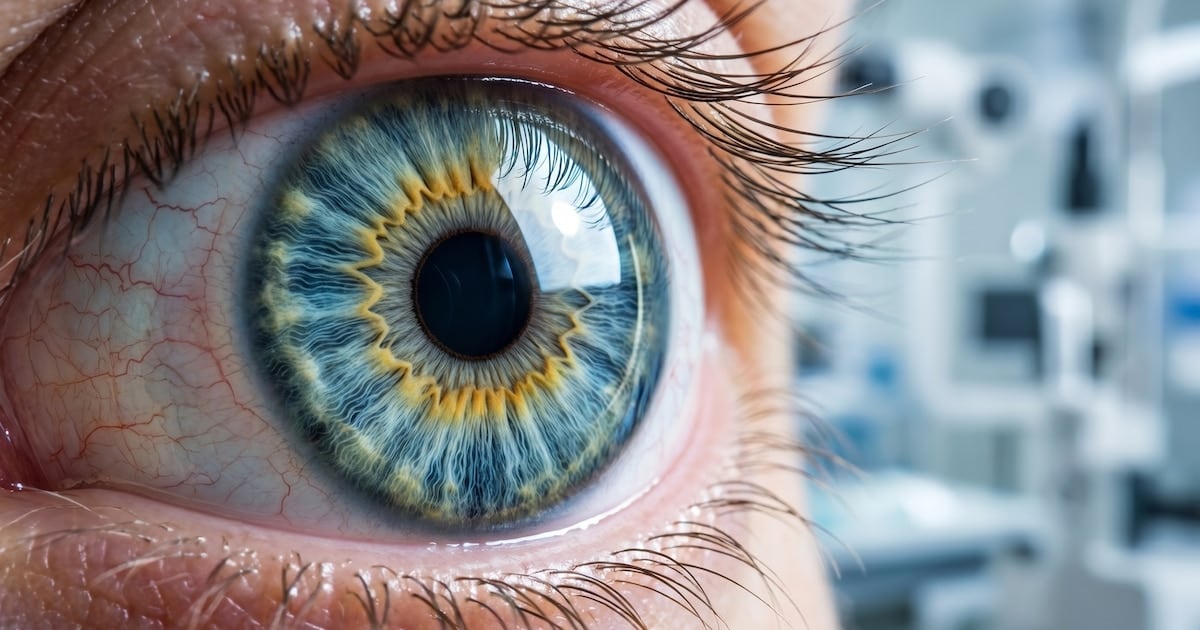
At the corner of the laboratory, where the smell of reagents and the routines of science mix with the daily rhythm of the city, a group of Argentine researchers is trying to address a problem that can permanently alter a person's vision: chemical burns that damage the cornea, the transparent tissue that covers and protects the eye. The work developed a fusion protein, applied topically in rats, that reduced vascularization and inflammation after severe burns caused by alkalis such as lime or concentrated laundry detergent.
Why corneal damage is so serious
For the cornea to function properly, it needs to remain transparent and free of blood vessels. A chemical burn can destroy both conditions within days, leaving lasting consequences for vision. Juan Eduardo Gallo, an ophthalmologist and director of the Instituto de Investigaciones en Medicina Traslacional of the Universidad Austral and CONICET, explained that the growth of blood vessels inside the cornea alters its natural transparency and encourages chronic inflammatory processes that can seriously compromise sight.
The experimental compound is called Cementoin-SLPI and combines two molecules. SLPI has anti-inflammatory properties, while Cementoin acts as an anchor that attaches to damaged tissue where the enzyme transglutaminase is active. The combination is intended to keep the compound at the injured site and concentrate its effect there. In the animal model, the researchers compared this treatment with isolated SLPI and a control solution without an active ingredient.
The clearest difference appeared in vascularization. All eyes in the control group developed vessels in the middle layer of the cornea, and half also had them in the deeper layer. In the animals treated with Cementoin-SLPI, no vessels appeared in either layer. The fusion protein also reduced the total area of cornea invaded by new vessels and produced less opacity at seven days.
Faster recovery and fewer signs of inflammation
The epithelium, the outer layer of the cornea that acts as a barrier against bacteria and irritating substances, recovered more quickly in the animals that received the experimental compound. Molecular analyses also detected lower levels of mediators associated with inflammation and blood vessel growth, including TNF-α, IL-17 and VEGF. The results were published in the International Journal of Molecular Sciences.
The team now plans to begin human trials in 2028. Although the findings are preclinical and were obtained in rats, the work points to a possible local treatment for a condition whose consequences can be severe and whose therapeutic approach remains a challenge in ophthalmology. The next step will be to determine whether the results can be reproduced safely in people.
“El crecimiento de vasos sanguíneos dentro de la córnea altera su transparencia natural y favorece procesos inflamatorios crónicos que pueden comprometer seriamente la visión.”Juan Eduardo Gallo, oftalmólogo e investigador del Instituto de Investigaciones en Medicina Traslacional de la Universidad Austral y el CONICET
- La proteína de fusión se aplicó de forma.Verify topical en ratas con quemaduras estandarizadas por álcalis.
- El grupo tratado con Cementoin-SLPI no presentó vasos sanguíneos en las capas media y profunda de la córnea, mientras que el control sí los desarrolló.
- El compuesto redujo la opacidad corneal y aceleró la recuperación del epitelio.
- Los análisis moleculares mostraron menores niveles de TNF-α, IL-17 y VEGF.
- El equipo proyecta iniciar ensayos en humanos en 2028.
Comentarios
0Todavía no hay comentarios. Sé el primero.
Seguí leyendo


A una semana del temporal en Bahía Blanca: claves para evitar enfermedades tras la inundación
Una IA marca un hito en salud femenina al detectar cáncer endometrial con 99% de eficacia